Colours and Light in the Office – The Path to Greater Focus and Wellbeing

Colours and Light in the Office – The Path to Greater Focus and Wellbeing
The way we design our workplaces has a greater impact on our wellbeing than many realise. The colours on the walls, the strength and direction of the light – even subtle reflections and shadows – all influence our concentration, energy, and mood. In a time when most of us spend long hours in front of a screen, it’s worth exploring how colour and light can be used to create a healthier and more productive office environment.
The Role of Light in Energy and Focus
Light is one of the most powerful factors affecting our body clock and mental state. Too little light can lead to tiredness and reduced concentration, while harsh or poorly placed lighting can cause headaches and eye strain.
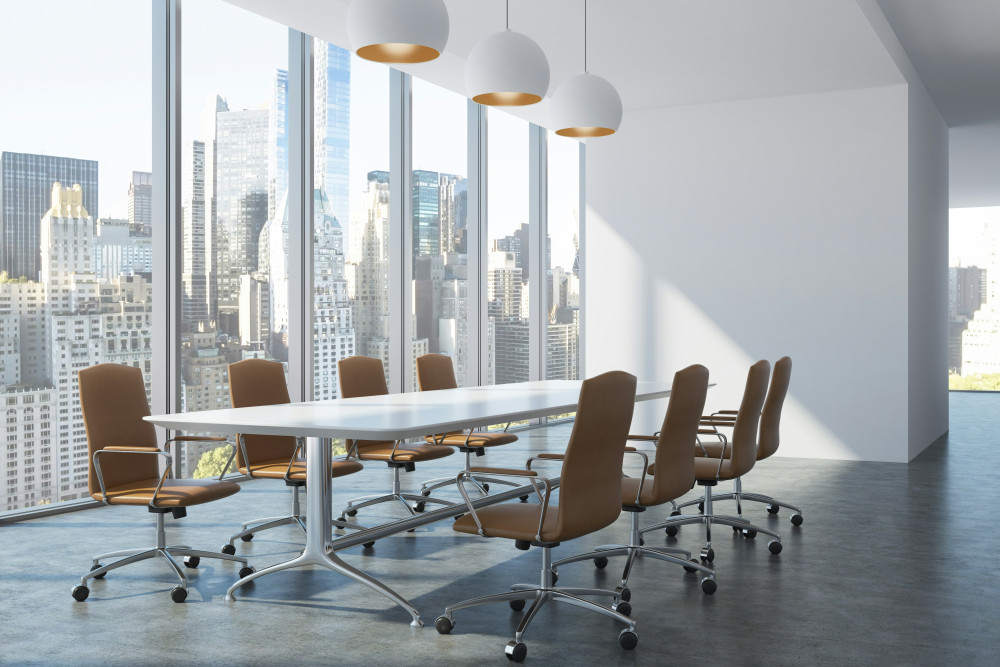
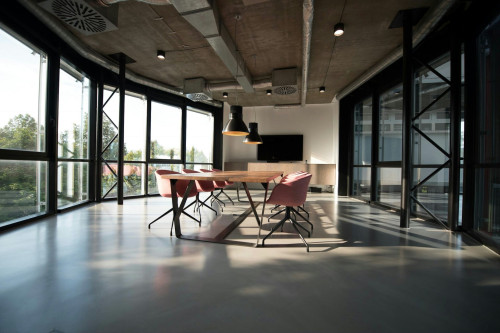
Natural light is the ideal foundation. It supports our circadian rhythm and boosts serotonin levels, which help maintain focus and a positive mood. Workspaces near windows are often perceived as more pleasant, and employees exposed to daylight tend to report higher satisfaction and lower absenteeism.
However, not every office benefits from large windows or open views. In such cases, artificial lighting can make a big difference if planned carefully. A combination of ambient lighting (for example, ceiling fixtures that spread light evenly) and task lighting (adjustable desk lamps) provides flexibility. Choose LED lights with a colour temperature around 4000 kelvin – close to natural daylight – to promote alertness and concentration.
In the UK, where winter days are short and overcast skies are common, it’s especially important to maximise daylight exposure. Position desks near windows where possible, and consider light shelves or reflective surfaces to help distribute daylight deeper into the room.
The Psychology of Colour – More Than Aesthetic
Colours influence us both consciously and subconsciously. They can calm, energise, or inspire creativity. Choosing the right colours for an office should therefore be about more than just style – it’s about function and atmosphere.
- Blue tones are associated with calmness, stability, and focus. They work well in areas where precision and concentration are key.
- Green promotes balance and relaxation – ideal for meeting rooms or spaces where clear thinking is needed.
- Yellow can bring energy and optimism, but should be used sparingly, as strong shades may feel overwhelming.
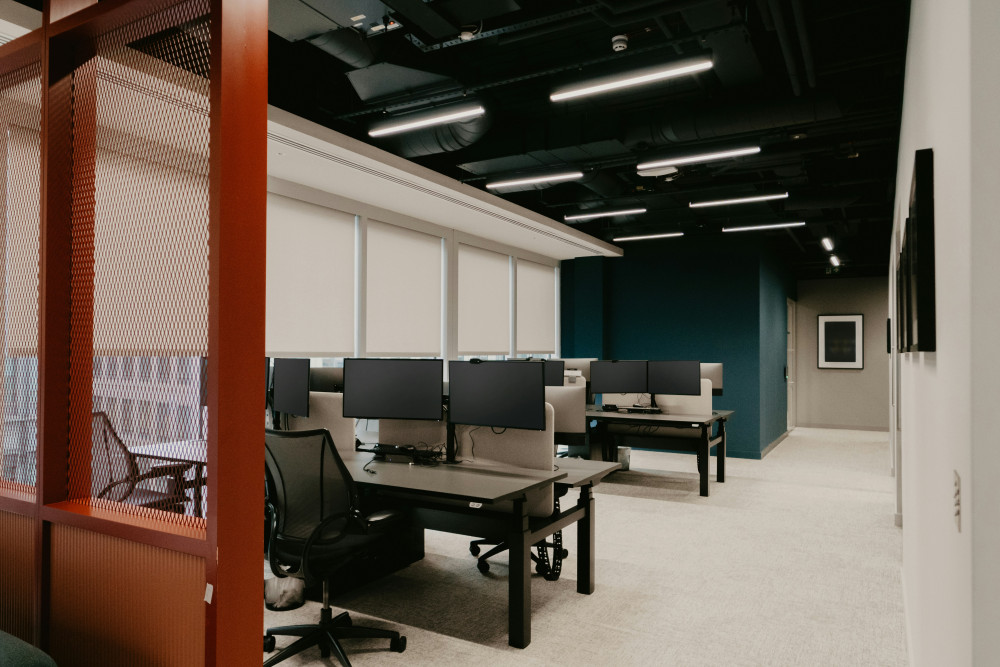
- Neutral colours such as grey, beige, and off-white create a calm backdrop, but can be complemented with accent colours to avoid a sterile look.
A good approach is to use colours strategically: cooler tones in work zones, warmer hues in communal areas, and more playful colours in creative spaces.
The Interaction Between Light and Colour
Light and colour are inseparable. A room lit with cool white light can make warm colours appear dull, while warm lighting can flatten blues and greys. Always test paint and materials under the actual lighting conditions of the space – both during the day and in the evening.
Reflective surfaces can help distribute light evenly, but too many glossy finishes may cause glare. Matte wall paints and soft furnishings that absorb some light create a more comfortable balance.
Creating Variety in the Workspace
A modern office doesn’t have to look uniform. In fact, variation in light and colour can support different ways of working. A corner with soft, warm light and muted tones can encourage focus, while a bright, colourful area can stimulate collaboration and idea generation.
Consider zones with adjustable lighting, allowing employees to control brightness according to their task or time of day. This flexibility fosters a sense of ownership and comfort.
Læs også:
Small Changes, Big Impact
You don’t need a full renovation to improve wellbeing at work. Even small adjustments can make a noticeable difference:
- Replace harsh fluorescent tubes with LED lighting in a more natural tone.
- Add plants – they bring both colour and freshness.
- Use textiles and artwork to balance colour and texture.
- Position screens to avoid direct glare from windows or lights.
- Encourage breaks in daylight – for instance, by placing the coffee area near a window or outdoor space.
An Office That Nurtures Both Mind and Body
A healthy work environment is about more than ergonomic chairs and fast Wi-Fi. It’s also about how we experience the space around us. When colour and light are used thoughtfully, the office becomes more than just a place to work – it becomes a place that supports wellbeing.
By creating harmony between light, colour, and function, we can design workplaces where people feel more focused, inspired, and genuinely happy to be.
Læs også: