When Logistics Go Wrong: How to Handle Delays Without Participants Noticing

When Logistics Go Wrong: How to Handle Delays Without Participants Noticing
No matter how carefully you plan an event, delays can happen. A supplier gets stuck on the M25, the AV system refuses to cooperate, or a keynote speaker runs over time. It’s all part of the reality of event management. The difference between a stressful scramble and a seamless experience lies in how you handle those moments. Here’s how to manage delays so that your participants never realise anything went wrong behind the scenes.
Preparation: Build in Buffers and Backups
The best way to deal with delays is to anticipate them. When creating your schedule, include small buffers between sessions or activities. Five or ten minutes here and there can make all the difference when something slips.
Have a plan B for the most critical elements. What if the projector fails? What if a speaker’s train is delayed? Or if catering isn’t ready on time? Prepare alternatives – an extra presentation, a short networking break, or a quick reshuffle of the running order – so you can respond calmly and professionally when the unexpected happens.
Communication: Keep the Team Informed – Shield the Participants
When something goes wrong, your team needs to know immediately. Use a shared chat, radio system, or event app to coordinate quickly. Make sure everyone knows who’s responsible for what, so there’s no confusion.
For participants, the key is calm and confidence. Avoid mentioning delays unless absolutely necessary. Instead, use subtle tactics: announce an extra coffee break, play background music, or have the host engage the audience with a short Q&A. These small touches create the impression that everything is running smoothly – even when it isn’t.
Create Flexible Transitions
A rigid schedule leaves no room for surprises. Design your programme so transitions can be adjusted. If a speaker is late, perhaps another session can be moved forward, or attendees can use the time to network.
Think about how lighting, sound, or staging can help you create natural pauses. A short change in atmosphere can buy you a few minutes without anyone noticing.
Make the Most of Hosts and Staff
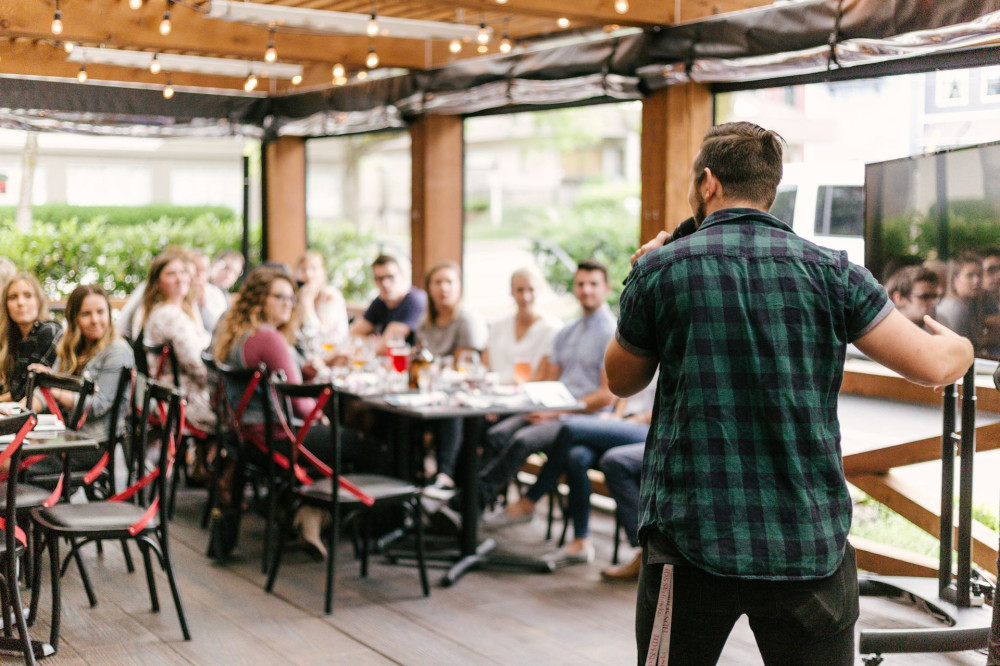
Your hosts, presenters, and event staff are your best allies in keeping the mood positive. Give them the freedom to improvise if there’s a delay. A confident host can fill a few minutes with humour, audience interaction, or a quick story, keeping participants entertained rather than impatient.
Ensure your staff are visible and approachable. When attendees sense that everything is under control, they’re far more forgiving – even if they have to wait a little.
Technical Readiness: Know Your Systems
Technical issues are a classic source of delay. Always have a technician who knows the equipment inside out and can respond quickly. Test everything – sound, lighting, presentations, streaming – well before the event starts, and have spare parts or backup gear ready.
If something does go wrong, stay composed. A short, professional announcement such as “We’re just making a quick adjustment to the sound” works far better than silence or panic. Participants will accept minor technical pauses if they see you’re in control.
After the Event: Learn from the Delays
Once the event is over, take time to review what happened. Which delays occurred, and how were they handled? Could anything have been prevented? By analysing these moments, you can refine your processes and reduce the risk next time.
Don’t forget to thank your team. Managing delays requires teamwork, flexibility, and calm under pressure – qualities that deserve recognition.
Læs også:


Professionalism Is Making It Look Effortless
No event is perfect, but the best organisers make it appear that way. By planning with buffers, communicating clearly, and staying composed, you can turn delays into part of the natural flow. Participants won’t notice that anything went wrong – they’ll simply remember a well-run event that seemed to go exactly as planned. And that’s the true mark of professionalism in event management.
Læs også: