Data at the Centre: How Warehousing Providers Use Data to Optimise Processes and Capacity Utilisation

Data at the Centre: How Warehousing Providers Use Data to Optimise Processes and Capacity Utilisation
As e-commerce continues to expand and supply chains grow more complex, warehousing providers are becoming an increasingly vital part of the UK’s logistics landscape. But where warehouses were once defined by square footage and shelving capacity, today they are just as much about data. Modern warehousing operations rely on advanced data solutions to optimise everything from picking routes and staffing levels to energy consumption and space utilisation. The result is faster delivery, lower costs, and more sustainable operations.
Data as the Backbone of Modern Warehousing
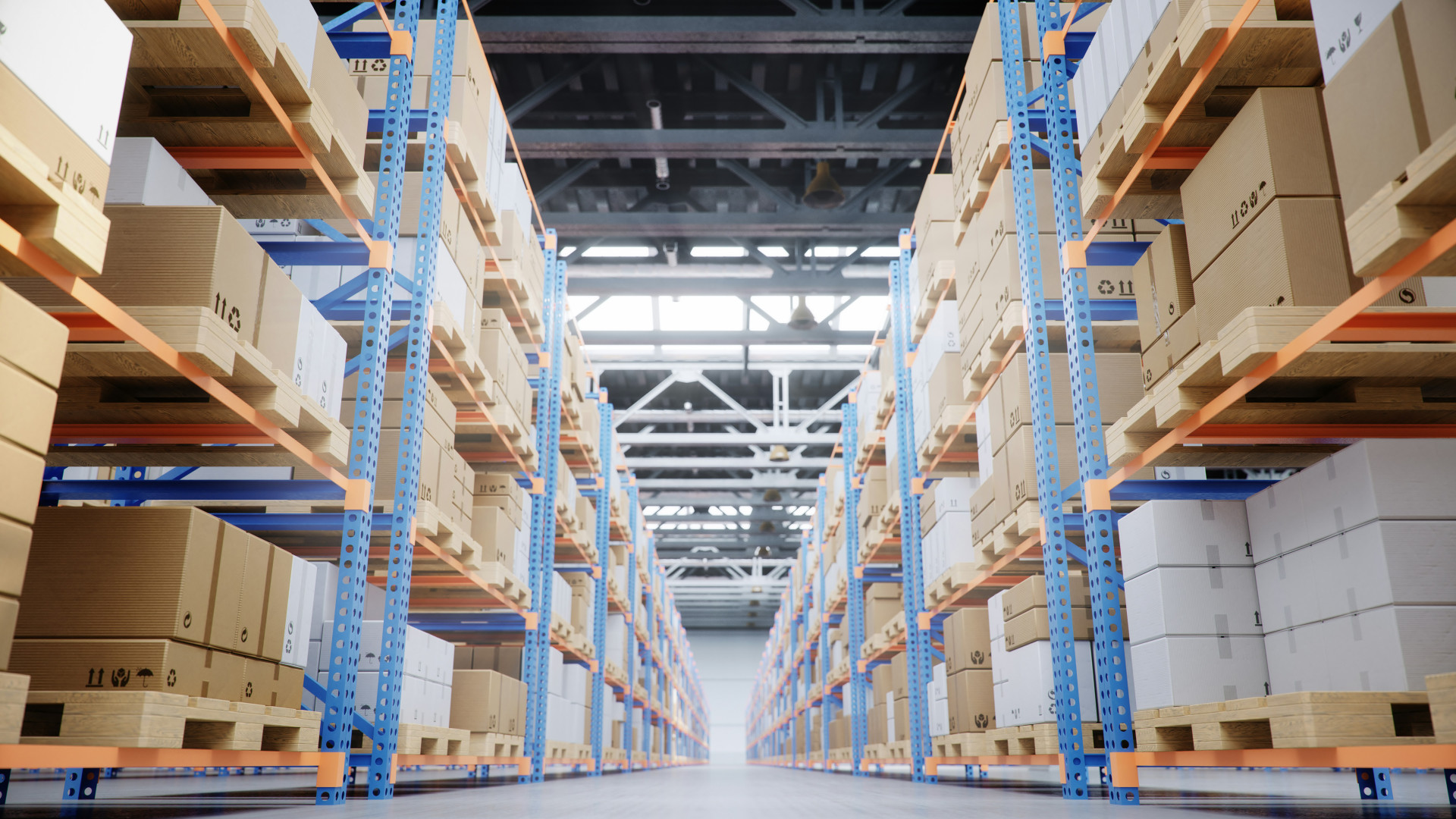
A warehouse is no longer simply a place to store goods. It has become a data-driven hub where information about products, customers, and processes flows continuously. Every movement—from goods-in to dispatch—is recorded digitally, providing a precise overview of where each item is located and how efficiently the space is being used.
By collecting and analysing this data, warehousing providers can identify patterns and bottlenecks. For example, they can determine which products are often picked together and position them closer to one another to reduce travel time. They can also forecast busy periods and plan staffing accordingly, ensuring that resources are deployed where they are needed most.
Læs også:


Automation and Sensors Unlock New Opportunities
Many UK warehouses have embraced automation and the Internet of Things (IoT). Sensors monitor temperature, humidity, and movement, while robots and automated conveyors handle goods. All these systems generate data that can be used to optimise operations in real time.
One practical example is the use of sensors to monitor capacity utilisation. If a section of the warehouse is underused, the system can automatically suggest redistributing stock to make better use of available space. This not only improves efficiency but can also delay or eliminate the need for costly expansions.
Forecasting and Planning with Artificial Intelligence
Artificial intelligence (AI) and machine learning are rapidly becoming standard tools in the warehousing sector. By analysing historical data, AI can predict demand for specific products and help plan inventory more accurately.
For instance, a warehouse handling seasonal goods can use data from previous years to anticipate when demand will peak. This allows managers to adjust staffing, transport, and space allocation well in advance, avoiding both overstocked shelves and empty storage areas. In a market where customer expectations for rapid delivery are high, such foresight can make a significant competitive difference.
Data as a Foundation for Sustainability
Data also plays a crucial role in making warehousing more sustainable. By monitoring energy use, transport patterns, and packaging consumption, providers can identify areas where resources can be saved.
A clear example is the optimisation of picking routes. By calculating the most efficient path through the warehouse, operators can reduce the time and energy spent on internal transport. Similarly, data can be used to plan outbound shipments so that lorries leave fully loaded, reducing CO₂ emissions per delivered unit. With sustainability targets becoming more stringent across the UK, these data-driven efficiencies are increasingly valuable.
Collaboration and Transparency Across the Supply Chain
When warehousing providers share data with their clients and partners, it creates transparency throughout the supply chain. Customers can track their goods in real time, check order statuses, and gain insight into how their products are being handled.
This transparency builds trust and supports better decision-making. For example, if a client can see that a product is running low, they can act quickly to replenish stock and avoid delays in their own operations. In a post-Brexit trading environment where supply chain resilience is paramount, such visibility is a major advantage.
The Future Warehouse: Digital, Flexible, and Data-Driven
The direction of travel is clear: warehouses are becoming more digital, more flexible, and more data-driven. Those that can harness data intelligently will gain a clear competitive edge—in efficiency, customer satisfaction, and sustainability.
However, technology is only part of the story. Success also depends on culture and skills. Staff need to understand and use data in their daily work, and management must be willing to invest in systems that make this possible.
When data is placed at the centre, the warehouse becomes more than a storage facility—it becomes a dynamic, intelligent hub at the heart of the modern supply chain.
Læs også: