Less Waste, More Value: Leadership as the Key to Effective Inventory Management


Less Waste, More Value: Leadership as the Key to Effective Inventory Management
Effective inventory management is not just about systems, numbers, and technology – it is, above all, about people and leadership. A well-run warehouse is the result of clear processes, open communication, and a culture where employees understand why their work matters. When leadership provides direction and fosters engagement, the warehouse becomes more than a place where goods are stored – it becomes a vital part of the company’s value creation.
Leadership as the Foundation of Efficiency
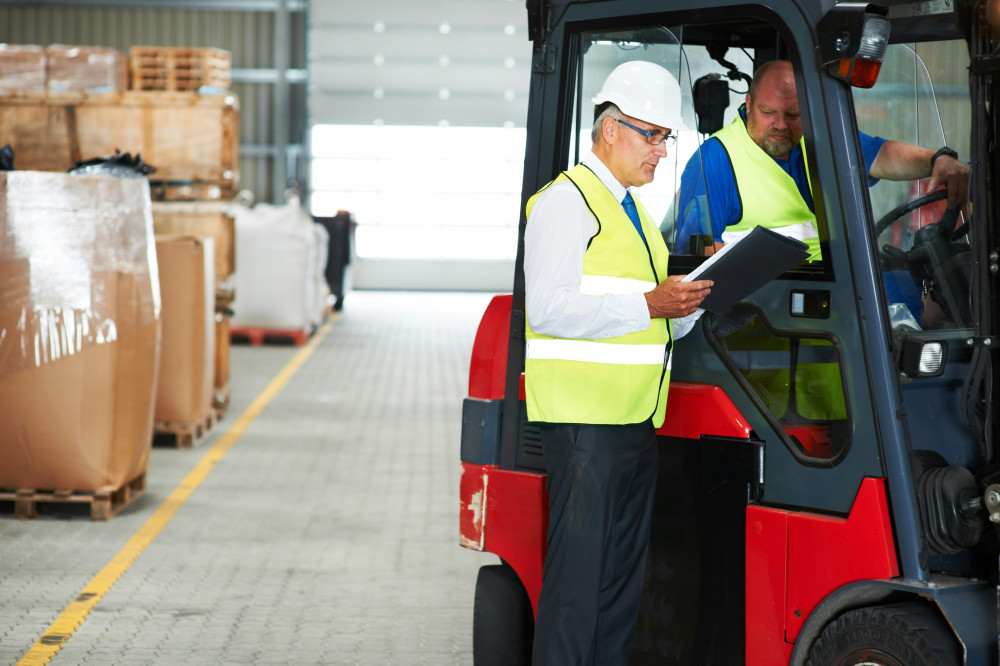
Many British businesses invest heavily in advanced warehouse systems and automation, yet forget that technology is only as effective as the people who use it. A skilled warehouse leader is therefore essential. Leadership is not only about structure and control, but also about motivation, development, and trust.
A good warehouse leader:
- Sets clear goals for efficiency, quality, and safety.
- Communicates transparently about changes and expectations.
- Involves employees in improvement initiatives, giving them ownership.
- Follows up on results and provides constructive feedback.
When employees understand how their efforts contribute to the bigger picture, engagement and accountability rise – and that improvement is reflected in both performance and profitability.
Reducing Waste Through Better Planning
Waste in warehouse operations can take many forms: unnecessary movement, waiting time, overstocking, or obsolete goods. Leadership that focuses on systematic planning and continuous improvement can significantly reduce these inefficiencies.
A good starting point is to map out the most time-consuming processes and ask: Why do we do it this way? Often, small adjustments – such as better product placement, clearer labelling, or more efficient picking routes – can save hours each week.
By applying lean management principles, leaders can build a culture where everyone contributes to identifying and eliminating waste. This does not necessarily require large investments, but it does demand consistent effort and leaders who lead by example.
Læs også:


Data as a Decision Tool – Not a Substitute for Leadership
Modern warehouse management systems (WMS) provide access to vast amounts of data. However, data alone does not create value unless it is used effectively. A competent leader knows how to turn data into action.
For example:
- Analysing picking times to optimise staffing levels.
- Using stock turnover rates to adjust purchasing decisions.
- Identifying errors and bottlenecks through performance reports.
When data is combined with employees’ practical experience, it forms a strong foundation for decisions that are both evidence-based and realistic.
Communication and Collaboration Across Departments
A warehouse rarely operates in isolation. It is part of a broader supply chain where collaboration with procurement, production, and sales is crucial. Leadership plays a central role in connecting these functions.
By establishing regular meetings and open communication channels, misunderstandings and duplication of work can be avoided. When the warehouse has insight into sales forecasts and production schedules, it can plan more accurately – reducing both overstocking and stockouts.
Training and Wellbeing as Competitive Advantages
A warehouse is only as effective as the people who work there. Leadership should therefore view training and wellbeing as investments rather than costs. Employees who feel safe, competent, and valued work more efficiently and make fewer mistakes.
This can be achieved through:
- Ongoing training in new systems and processes.
- A strong focus on health, safety, and working conditions.
- Recognition of good performance and contributions.
When employees see that their development is prioritised, it builds loyalty and reduces staff turnover – two factors that directly enhance efficiency.
From Storage to Value Creation
Ultimately, effective inventory management is about creating value – for the business, its customers, and its employees. Leadership is the key that ties it all together. A leader who combines structure, communication, and empathy can transform the warehouse from a necessary cost centre into a strategic asset.
Less waste and more value do not begin with a new system, but with leadership that takes responsibility for the whole picture – and sees potential in both people and processes.
Læs også: