The Office of the Future: Flexible Frameworks for Different Working Styles

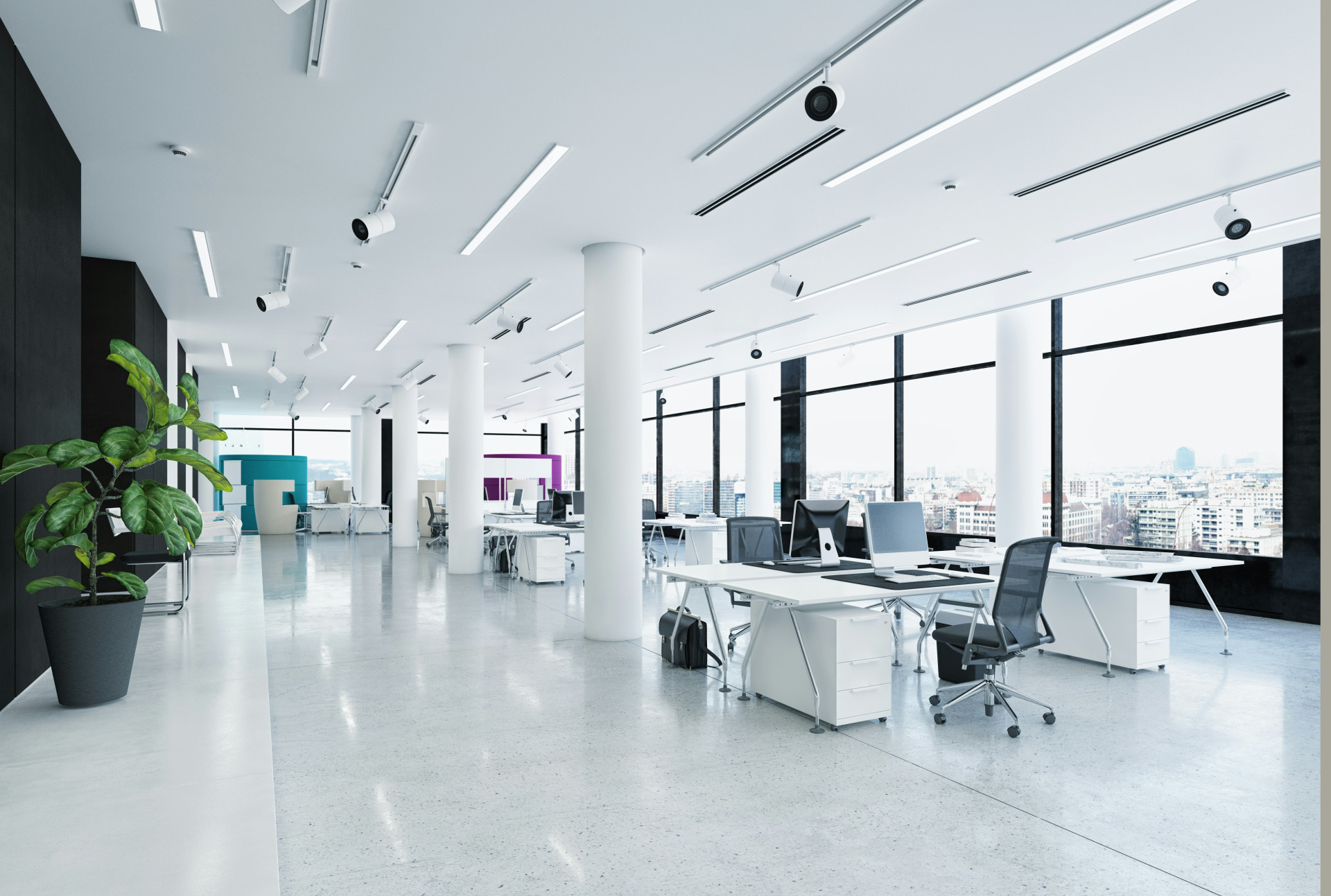
The Office of the Future: Flexible Frameworks for Different Working Styles
The office, as we once knew it, is undergoing a profound transformation. The past few years have shown that work is no longer tied to a single place or time. Technology, new ways of collaborating, and shifting expectations about work–life balance have created a need for offices that can adapt to different working styles – from deep focus and creativity to teamwork and social connection. The office of the future is not just about design; it’s about creating environments that support wellbeing, productivity, and flexibility.
From Fixed Desks to Fluid Zones
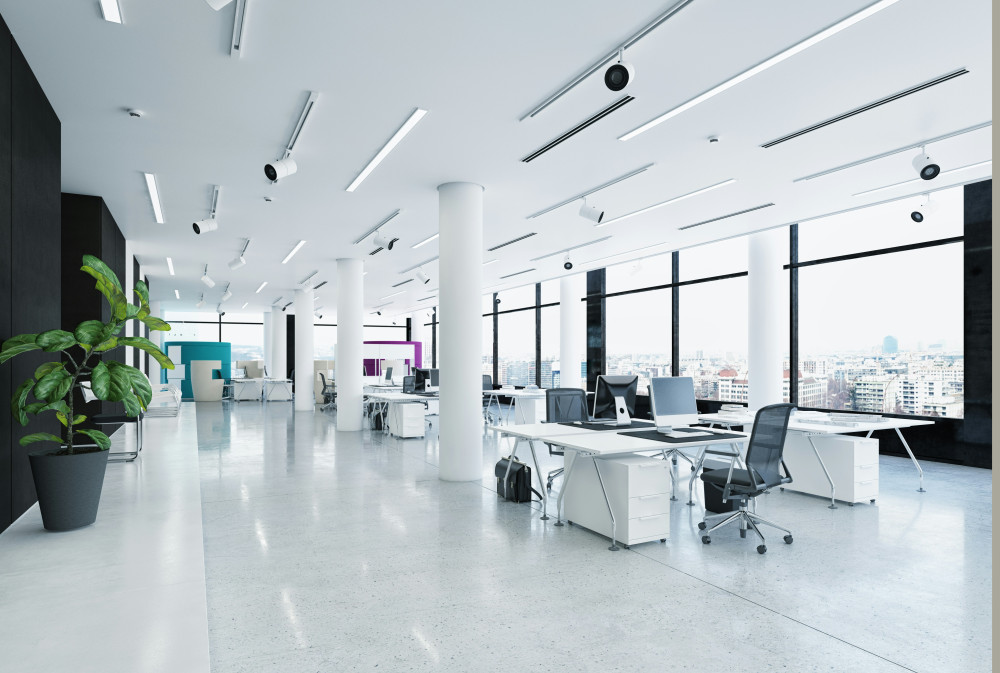
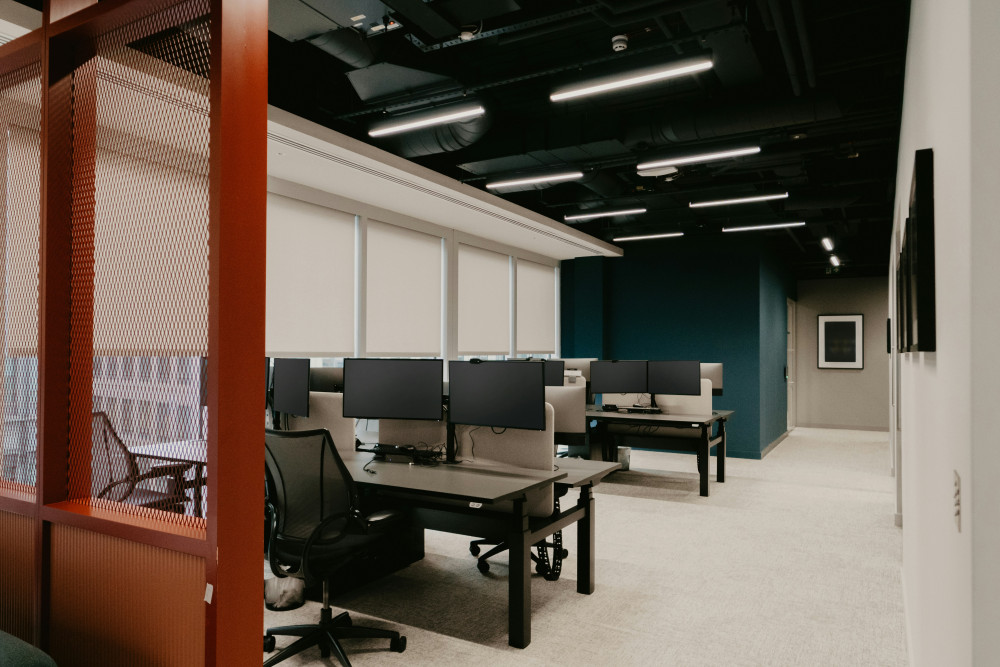
The traditional office of identical desks and static layouts is giving way to activity-based workspaces, where employees choose their setting according to the task at hand. There might be quiet zones for concentration, open areas for collaboration, and informal lounges for brainstorming or taking a break.
This flexibility allows people to work where they feel most comfortable and makes it easier to adapt the office to changing projects and teams. It also requires a strong workplace culture and reliable digital tools to ensure collaboration flows smoothly, whether colleagues are sitting side by side or connecting remotely.
Hybrid Work as the New Normal
Since the pandemic, hybrid work has become a permanent feature of many British organisations. The office is no longer the sole hub of activity but one part of a wider ecosystem that includes home offices, co-working spaces, and virtual meeting rooms.
To make hybrid models successful, the office must offer something that home working cannot: community, creativity, and shared energy. Many UK companies are therefore reimagining their offices as social and creative hubs, where people come together to exchange ideas, hold workshops, and strengthen relationships.
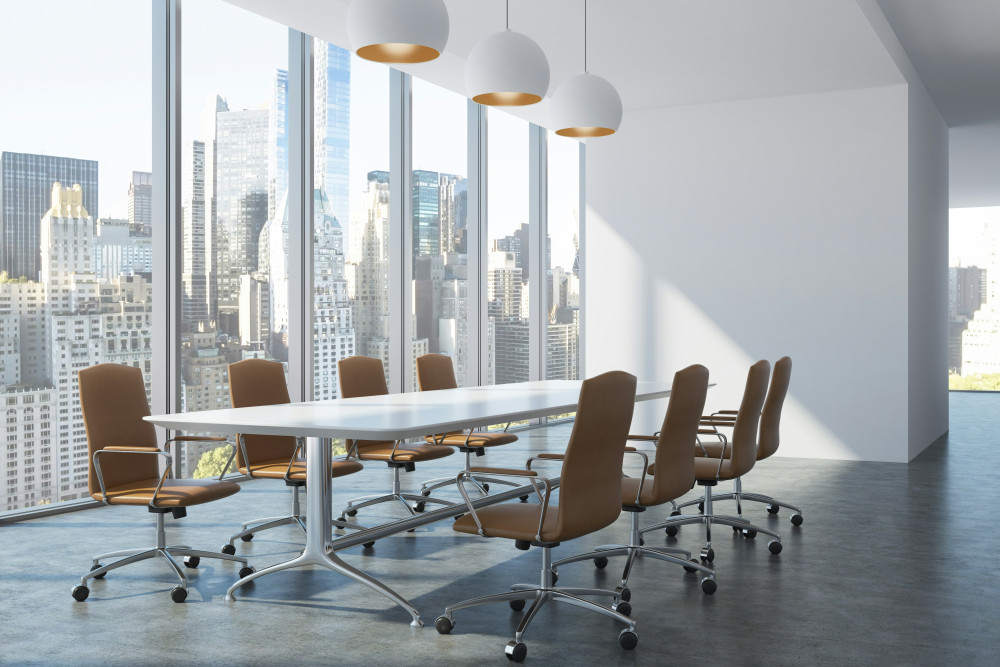
This shift calls for thoughtful design – flexible meeting rooms, good acoustics, and technology that makes it easy to connect both in person and online.
Design with Wellbeing in Mind
The office of the future is not only about functionality but also about human wellbeing. Light, air, sound, and movement all play a crucial role in how we feel at work. More organisations are investing in biophilic design – natural materials, greenery, and daylight – to create healthier, more inspiring environments.
Mental health is also becoming a key consideration. Spaces for calm, reflection, and rest are just as important as meeting rooms and collaboration zones. Some offices now include small “quiet pods” or wellness rooms where employees can recharge during the day.
Technology as an Invisible Assistant
Technology is the backbone of the modern office, but it should feel like an enabler, not a distraction. Smart sensors can monitor air quality and adjust ventilation automatically, while intelligent booking systems ensure that meeting rooms and desks are used efficiently. At the same time, digital collaboration tools make it possible to work seamlessly across locations and time zones.
The challenge lies in balancing digital efficiency with human connection. Too much screen time can create distance, but the right technology can strengthen teamwork and make everyday tasks easier.
The Office as a Reflection of Culture
An office is more than a place to work – it’s a physical expression of a company’s culture and values. An open, flexible layout signals trust and collaboration, while a more structured environment can support focus and calm. Design should therefore reflect how an organisation wants its people to interact and thrive.
When employees feel a sense of ownership over their surroundings, engagement and loyalty grow. This can be achieved through involving staff in the design process, allowing personal touches, or making collective decisions about how spaces are used.
Læs også:
A Workplace in Constant Evolution
The office of the future is not a finished concept but a continuous process. Needs change, and the workplace must evolve with them. It’s about creating frameworks that can be adjusted, expanded, and reimagined as work and workers develop.
Ultimately, flexibility will be the most valuable resource. An office that accommodates both focus and energy, solitude and collaboration, will be best equipped to meet the diverse ways we work in the future.
Læs også: